Alumni Spotlight: Abigail Newman
Alumni Spotlight: Abigail Newman
Meet Abigail Newman, HIAA BA '06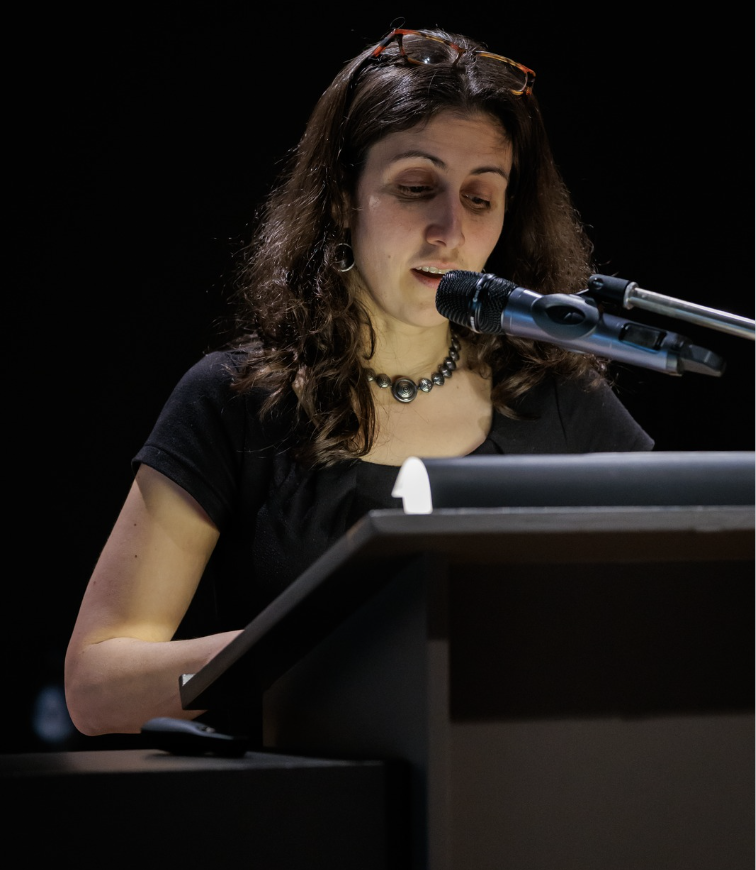
Research Curator at the Rubenshuis, Antwerp, Belgium
As Research Curator at the Rubenshuis,
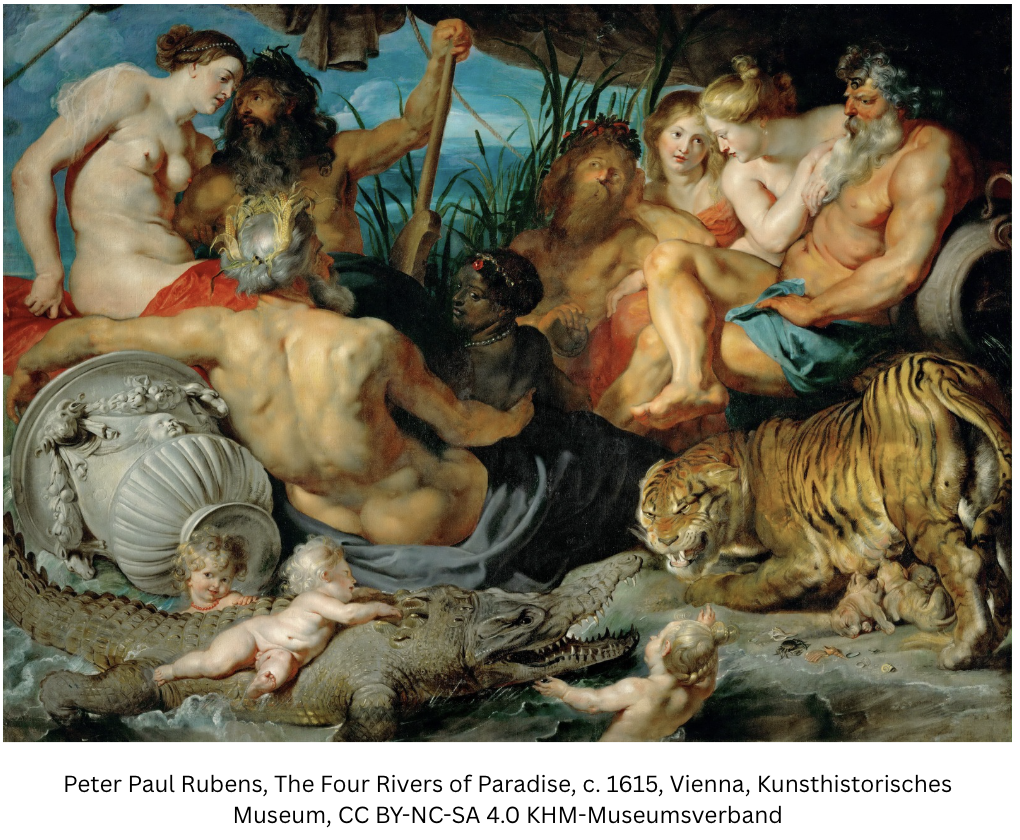
I conduct collection research, write and publish about the collection, serve as the point person for scholars visiting the Rubenshuis and its library (and for our group of long-term Visiting Researchers) and organize conferences and exhibitions. I recently co-organized the conference “Tout le monde pour ma patrie: Rubens and the World” (May 2025) with my colleague Koen Bulckens, Curator at the Royal Museum of Fine Arts Antwerp (KMSKA) and also a Brown graduate (for his PhD). We’re pursuing this project further in an exhibition, Rubens and the World, which we’re co-curating and which is scheduled for the fall of 2027. My job at the Universiteit Antwerpen (UA) is only part-time: since 2018 I’ve taught one course per year to the history bachelor’s students (the UA doesn’t have an art history department).
It’s good to remember the wide-ranging applications of art history…
not only work in museums and academia but also auction houses, galleries, historic houses, research centers and archives, academic publishing, etc. It was also necessary for me to be patient. I knew I wanted a curatorial job, but along the way, I took on part-time university teaching (at the UA and the UGent) and editing and translation work for the Corpus Rubenianum Ludwig Burchard.
I absolutely loved my time at Brown…
and I learned so much that has been critical to me later – from my first post-college job at the Bruce Museum in Greenwich, Connecticut to my years in graduate school and my work in Antwerp. Throughout graduate school and even for teaching, I’ve returned to notes, papers, and syllabi from my years at Brown. Professor Jeffrey Muller was and continues to be a tremendous inspiration to me. He taught me to look closely and research rigorously, grounding everything in history – whether that meant looking at historical texts in related disciplines that might be less frequently consulted in art history or using historical language to describe images. I also learned the importance of the art historical field as a group of scholars whom you want to know and with whom it’s actually a pleasure to exchange ideas. I frequented office hours and really got to know my professors – Jeff, a few art history TAs, and a number of my history and English professors. These people have all been sources of knowledge, wisdom, and support over the 19(!) years since I graduated.
I’m really excited about…
our Rubens and the World exhibition. I first began working on rough ideas for such a project in 2017, when it wasn’t clear if it would be a research project, a conference, an exhibition or just a sketchy project proposal. I returned to it in seriousness in 2023, and it’s been a pleasure to collaborate with Koen Bulckens on different phases of this project. We’re excited to mount an exhibition that engages closely with the global turn, yet tries to focus concretely on Peter Paul Rubens and his close colleagues. Objects from all over the world passed through Antwerp in the seventeenth century, and it was also a crossroads where people from different places met. We’re hoping to show not only how Rubens and other Antwerp artists encountered and thought about the broader world and translated that into their art, but also at what happened when their own images circulated broadly. To that end, we want to include objects from around the world that will show a dialogue between Rubens and artists in a wide range of locales. Our highly globalized world is a good reminder to go digging in the past for connections across regions – there were tons.
I love the opportunity to do…
in-depth art historical research on works in our collection and at the same time to be able to focus on more sustained, thematic projects like the conference and exhibition. One of the other things that I find most thrilling about museum work is how collaborative it is – I love working on projects with colleagues and knowing that the result will be better because of everyone’s input. I discovered the joy of that kind of collaboration in my first museum job, missed it during the (necessarily) more solitary work on my dissertation in graduate school, and have relished returning to that at the Rubenshuis.
LEARN MORE about the Rubenshuis
LEARN MORE about “Tout le Monde pour ma Patrie: Rubens and the World”