The Naked Body: Textiles, Identification, and Technological Knowledge in Yuan China
Dagmar Schäfer, Yan Lin, Liu Weiyi
Textiles complicate the apparent correspondence between a tomb’s named occupant, its material contents, and the identities assigned to both. Taking Tao Zongyi, writing amid the upheavals of the Yuan dynasty’s final decades in the 1350s and 1360s, as a methodological interlocutor, this paper examines how funerary remnants become evidence of personal belonging and technological knowledge. The Mongol–Yuan world offers a particularly revealing setting: extensive movements of people, commodities, and artisanal expertise intersected with sustained investment in textile production, exchange, and display.
The guiding case is the tomb of Liu Heima, buried near Xi’an in 1262, considered within the wider evidentiary field of his family cemetery. The disjunction between its epigraphically identified occupant and its disturbed remains exposes the difficulty of attributing particular materials to a named person, a period and its expertise or even distinct places, let alone identity. Elsewhere in the cemetery, textiles survive against coffin walls, adhering to mirrors, and within layered deposits. These associations register practices of furnishing, wrapping, and arranging the dead, while fibre and weave analyses reveal manufacturing choices without necessarily identifying their makers or establishing how their skills were transmitted.
The central question is how such remnants can sustain histories of textile making, use, reuse, and the circulation of technical knowledge. Their evidentiary force resides in relationships among bodies, fabrics, objects, and funerary acts—relationships subsequently reconfigured by decay, disturbance, excavation, conservation, and publication. For discussion, I ask how digital documentation might reconnect dispersed observations while preserving uncertainties of attribution. This inquiry also raises questions about how archaeological classifications intersect with contemporary politics of heritage and belonging: securing one identification can efface other histories of association.
Tao’s reflections as a contemporary observer, informed by his intimate understanding of his eras skills as well as his critical approach to historical sources, offer a framework for examining the contingency of these evidentiary relationships. Fabrics circulate with and independently of people; their final deposition establishes neither provenance nor prior use. His accounts invite scrutiny of how burial anchors mobile histories to place, and how opening a tomb unsettles that apparent resolution.
About Dagmar Schäfer
Dagmar Schäfer's interest is the history and sociology of technology of China, focusing on the paradigms configuring the discourse on technological development, past and present. She has published widely on the Premodern history of China (Song-Ming) and technology, materiality, the processes and structures that lead to varying knowledge systems, and the changing role of artifacts—texts, objects, and spaces—in the creation, diffusion, and use of scientific and technological knowledge. Her current research focus is the historical dynamics of concept formation, situations, and experiences of action through which actors have explored, handled and explained their physical, social, and individual worlds. Dagmar Schäfer is Honorary Professor at Technische Universität Berlin (History of Science and Technology), Freie Universität Berlin (China Studies), and at Northwest University, Xi'an.
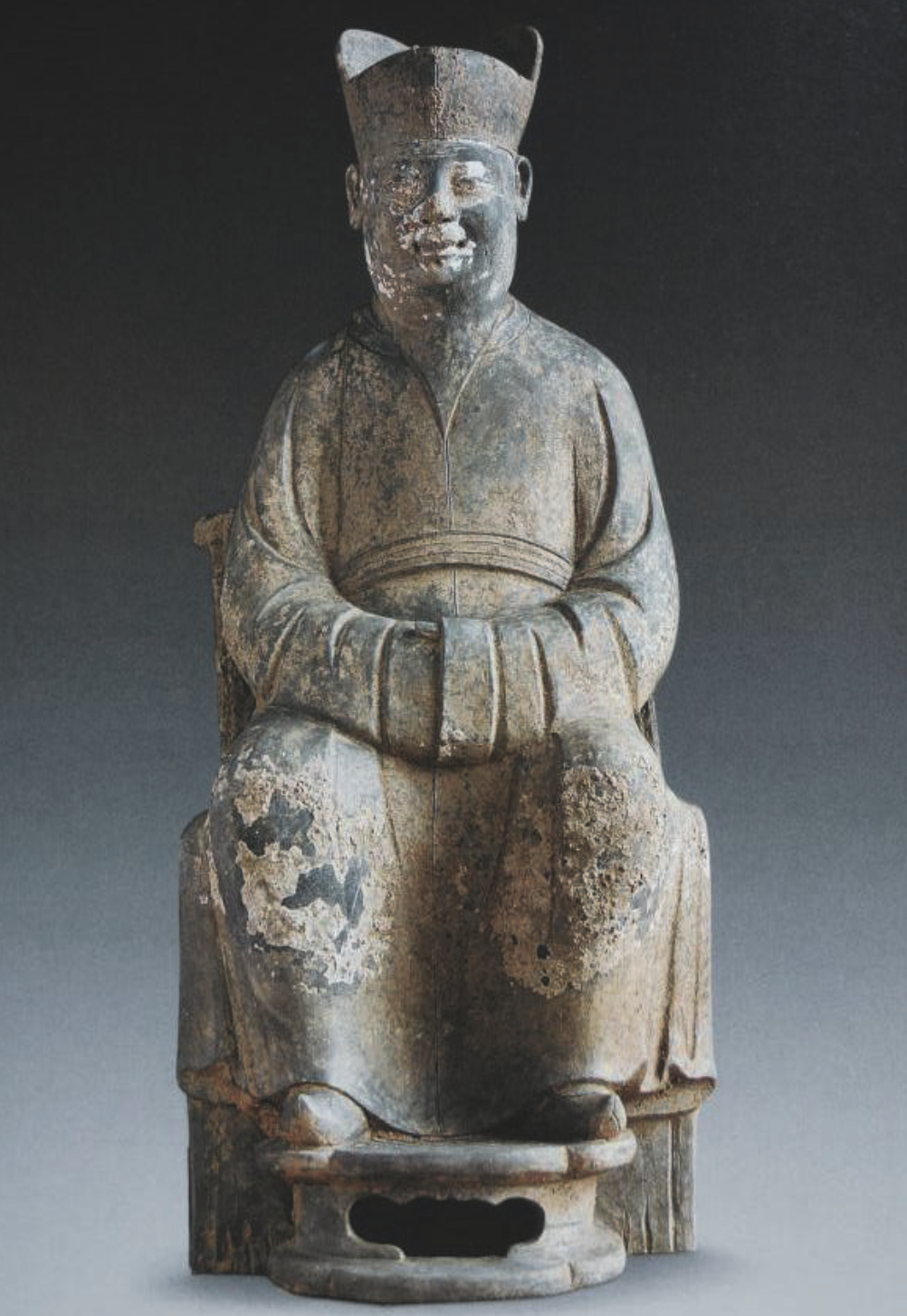
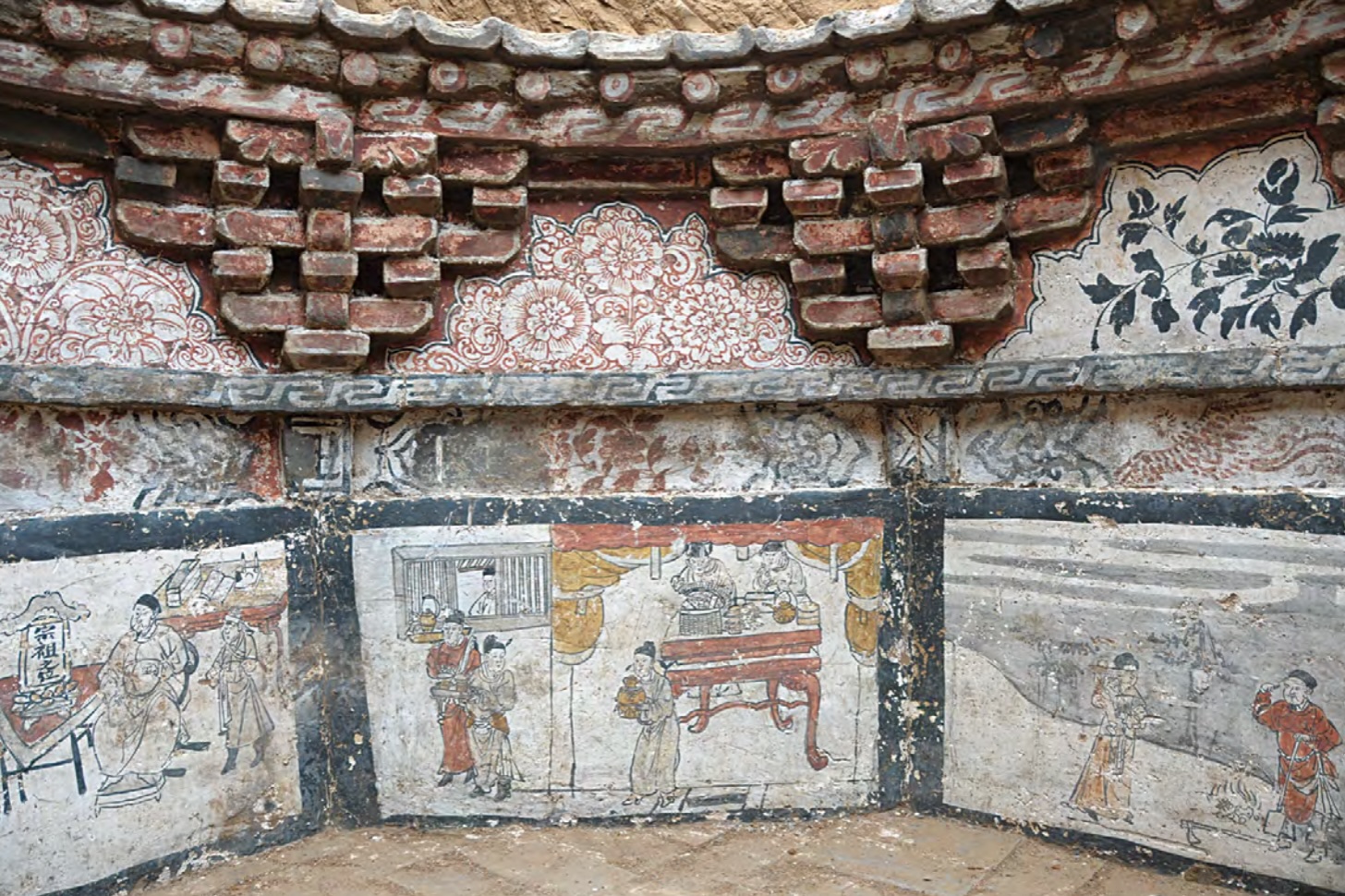 Tracing the Decline of Decorated Tombs in the Yuan Dynasty
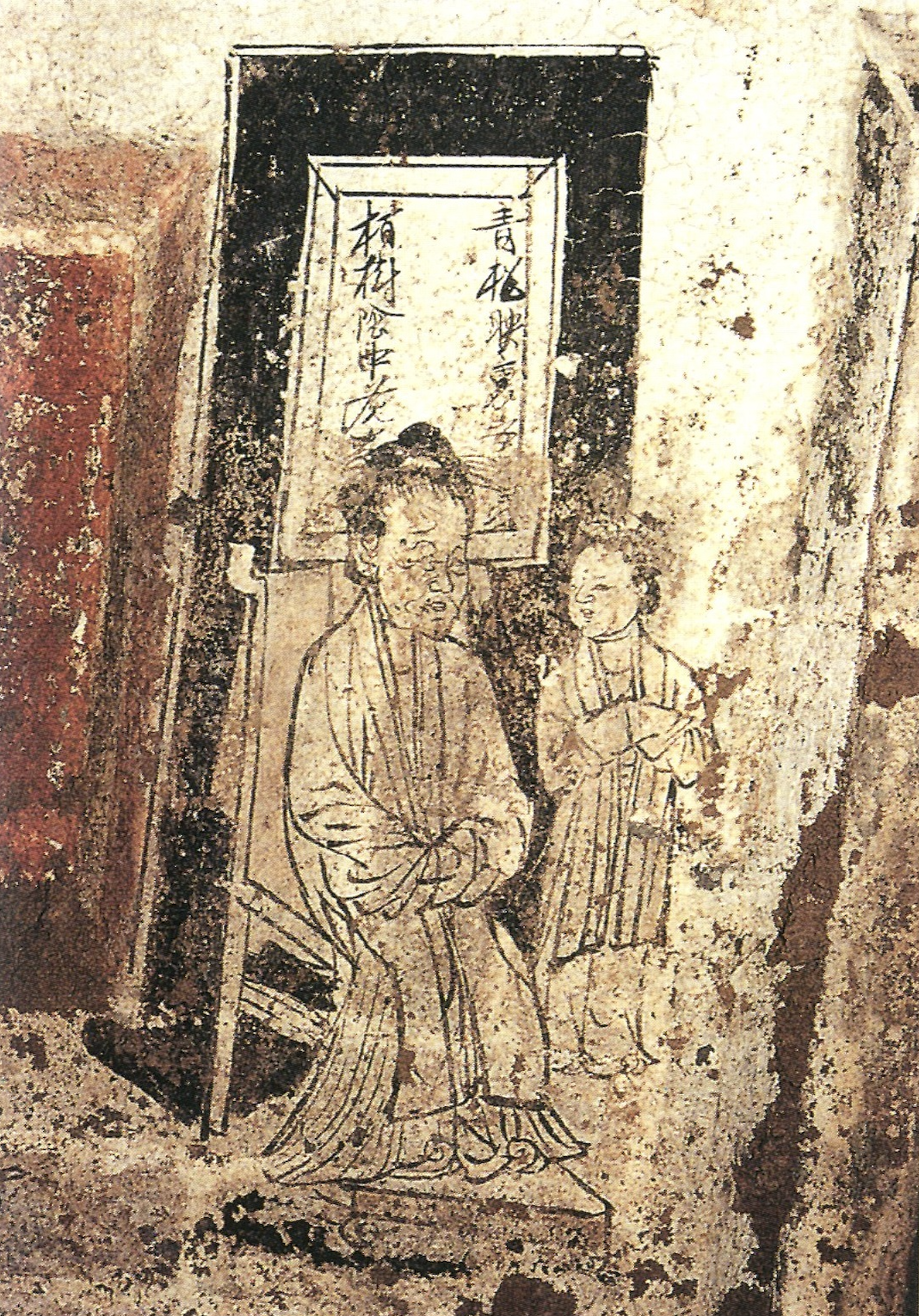 The Power of Writing: Mural Inscriptions and the Making of Identity in Song and Jin Tombs
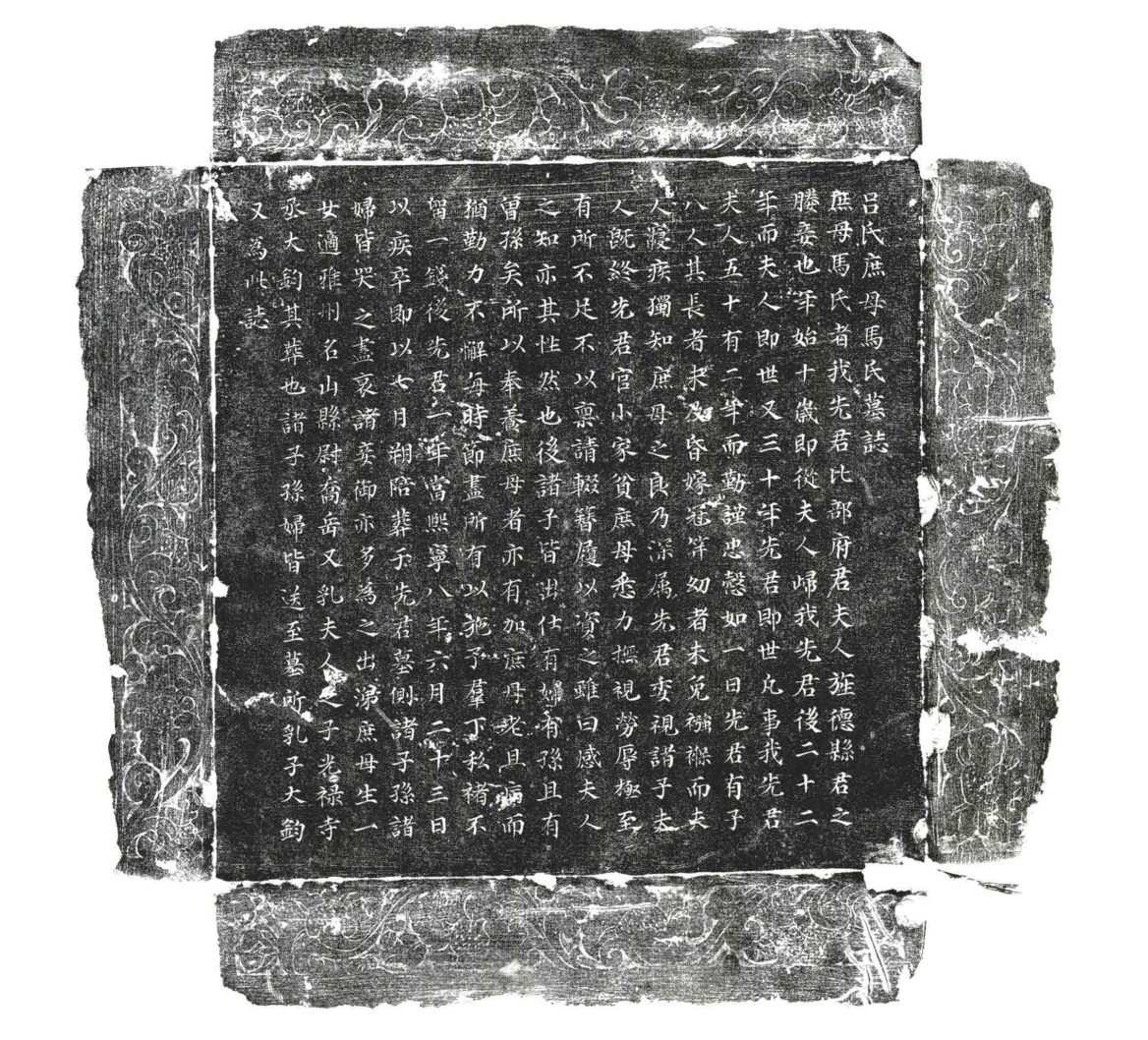 From Their Cradle to Her Grave: Unearthing Social Identities and Gender at the Lü Family Cemetery
 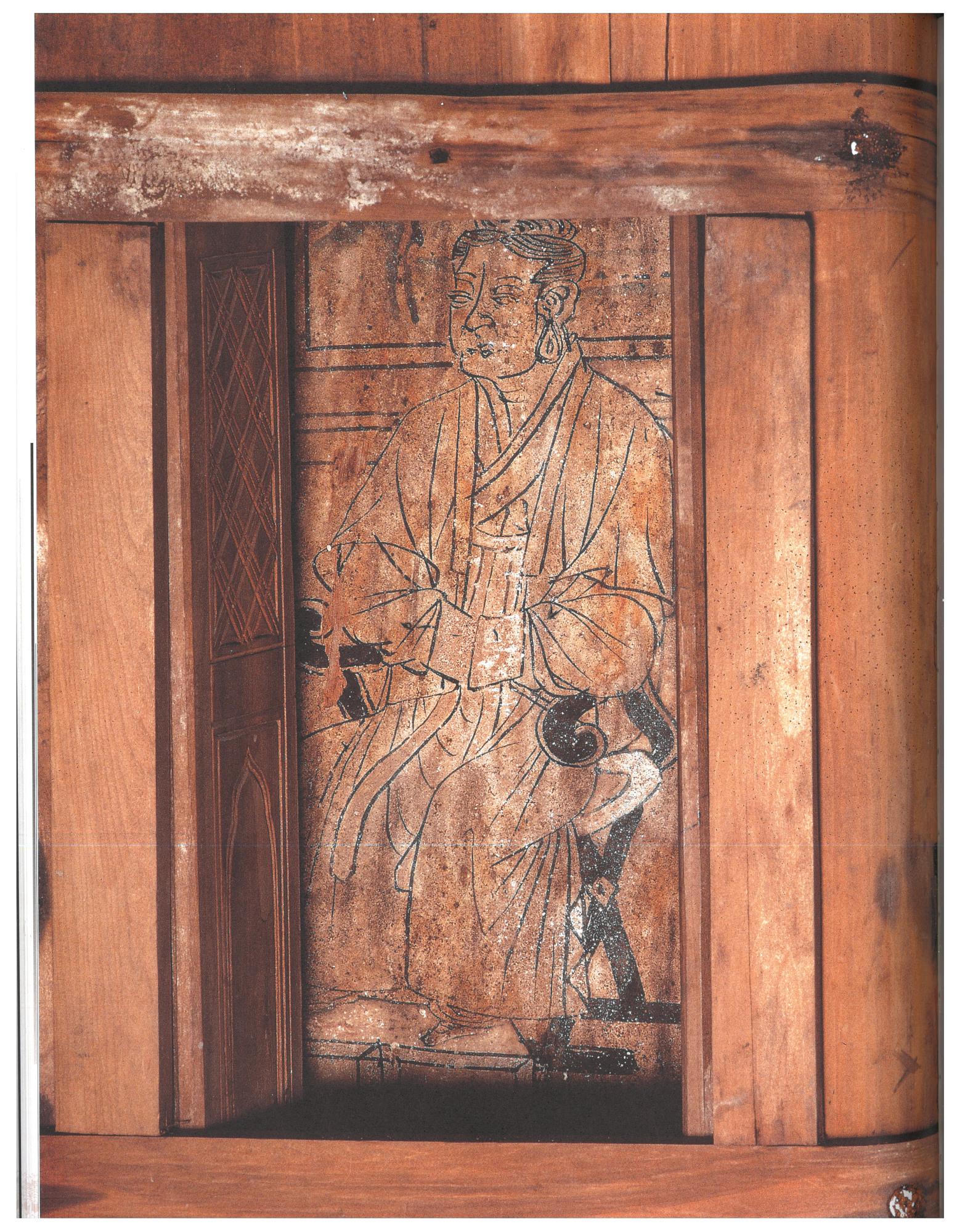 The Intersectional Dead: Funerary Portraits from the Hexi Corridor, ca. 1300
%20in%20Quzhou%2C%20Zhejiang.jpg) Neo-Confucianism in Southern Song and Yuan Burials
Neo-Confucianism in Southern Song and Yuan Burials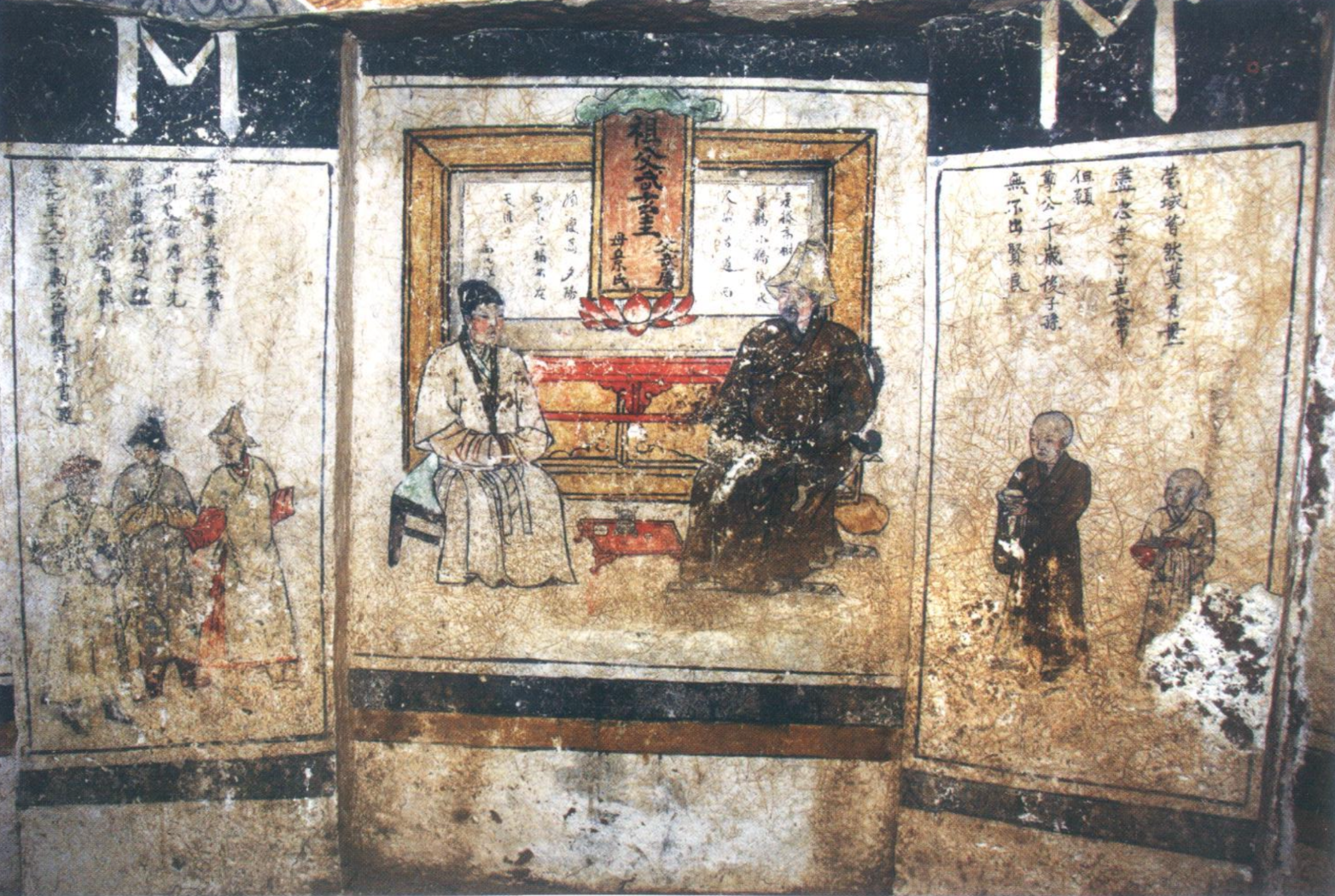
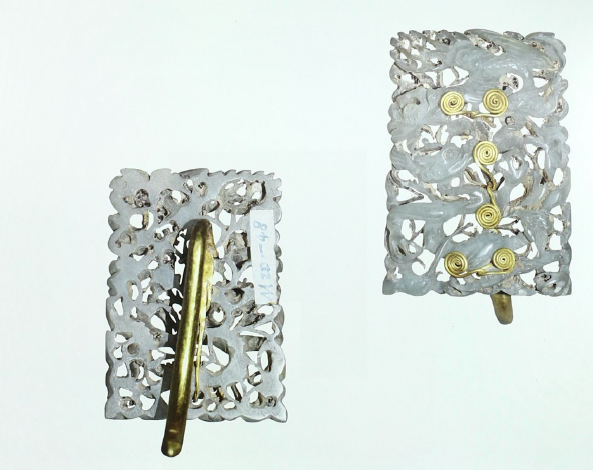 Unearthing the Lives of Local Elite Women of the Yuan Dynasty: the Wang Family Tombs as Case Study
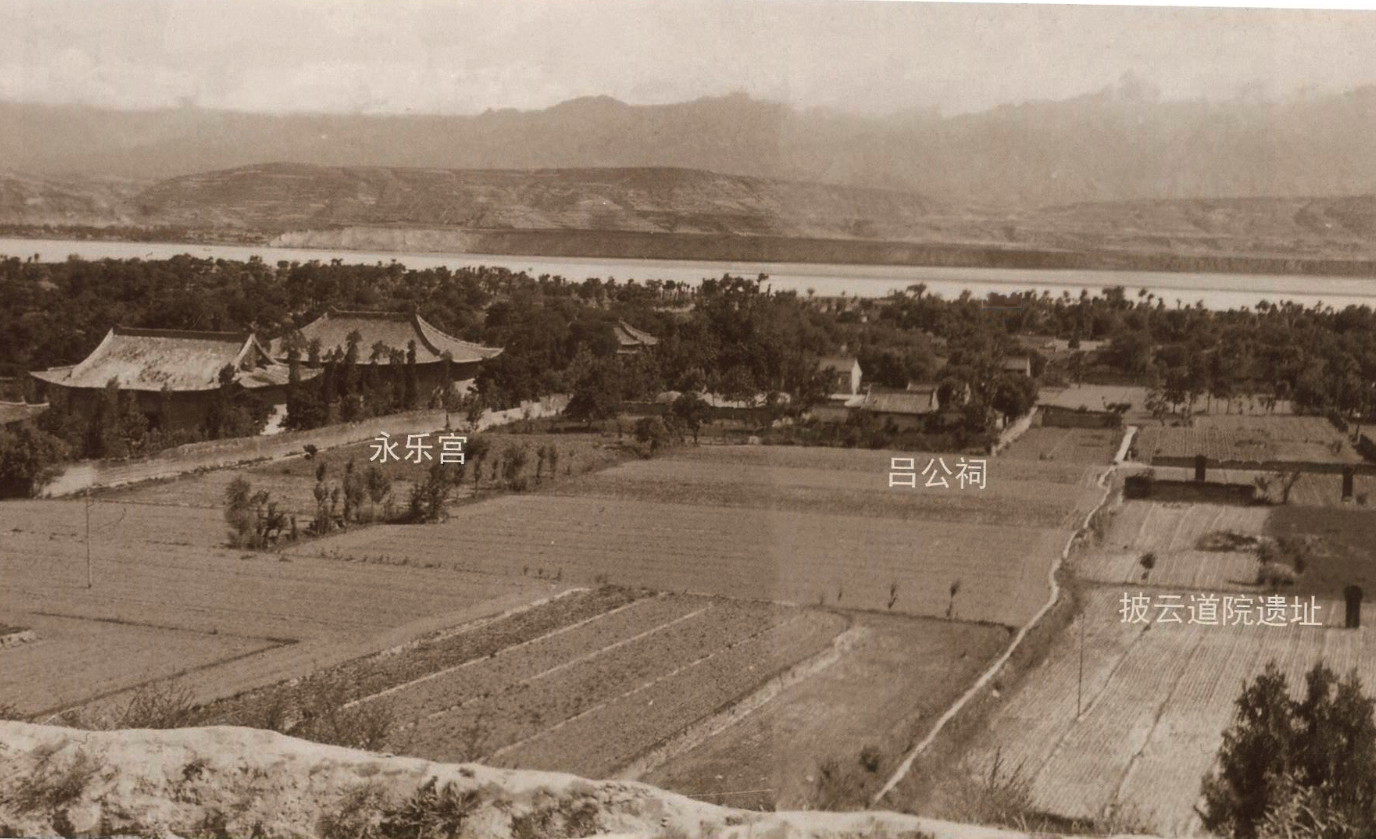 Site of Memory: Medieval Quanzhen Daoist Tombs at the Palace of Eternal Joy
 Words to Avert the Inconstant: Meaning and Purpose in Epitaphs of the Song Era
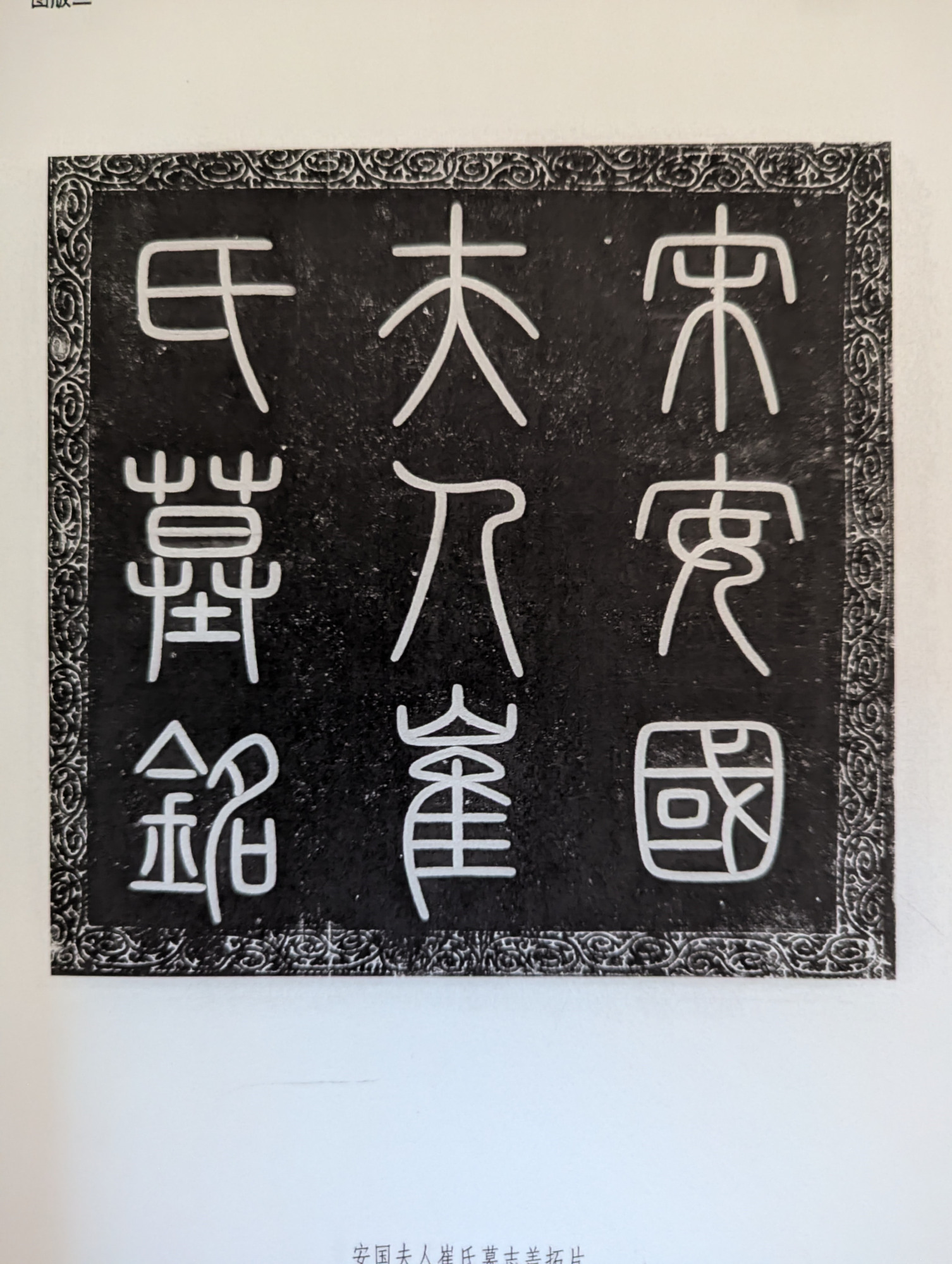 Remembering Lady Cui (1007–1062): Writing the Memory of an Elite Woman in Northern Song China